

Key Product Features & Benefits
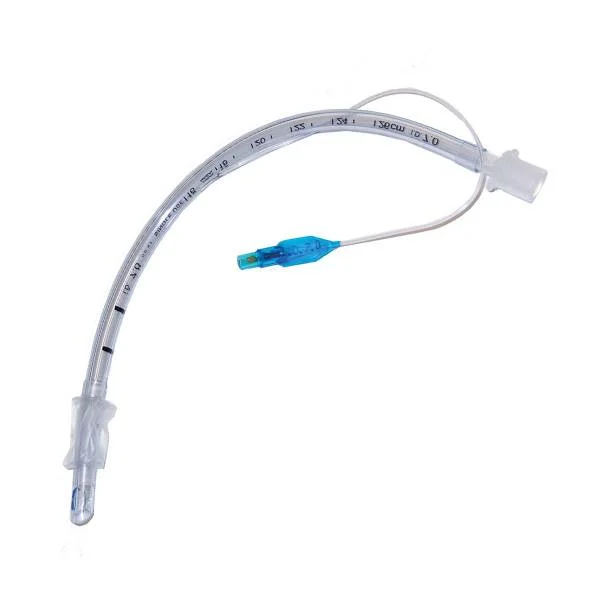
- Medical Grade Material: Crafted from soft, flexible, thermosensitive medical-grade PVC, ensuring optimum comfort and safety during intubation.
- ISO Standard Connector: Equipped with an ISO standard 15mm connector, enhancing compatibility and usability in varied medical scenarios.
- Atraumatic Rounded Tip: The tubes come with an atraumatic rounded tip and a murphy eye, minimising patient discomfort and the risk of airway trauma during insertion.
- Clearly Marked Pilot Balloon: Each tube features a pilot balloon, clearly marked with the size, providing easy identification and ensuring accurate, efficient placement.
- Radiopaque Sideline: A blue radiopaque line runs along the tube, assisting in precise positioning verification, crucial for patient safety.
- Visible Insertion Guidelines: Clear insertion guidelines with distinct 2cm vocal cord markings are provided, aiding in correct placement and reducing the risk of errors.
- Sterile Packaging: Each tube is meticulously packed in individual sterile sachets, maintaining integrity and sanitation of the product until use.
- Single-Use Design: The tubes are designed for single use only, eliminating the risk of cross-contamination.
- Optimal Cuff Design: The low-pressure, high-volume cuff minimises pressure on the tracheal wall and reduces the risk of creasing on inflation. Cuffed alternatives are also available.
- Intubation Confirmation: The clear tubing allows misting to be clearly seen, confirming successful intubation.
Who uses Endotracheal Tubes?
Endotracheal tubes are essential for healthcare professionals who need to secure a definitive airway for patients. These include situations where patients are unable to maintain airway patency, protect their airway against aspiration, ventilate adequately, or oxygenate effectively. Furthermore, they are indispensable when there is an anticipation of a deteriorating course leading to respiratory failure.
The tubes are crucial in delivering oxygen and inhaled gases directly to the lungs and simultaneously protecting the lungs from contamination such as gastric contents or blood, mitigating the risk of complications like ventilator-associated pneumonia.
These tubes are particularly invaluable in intensive care units, emergency medical settings, and operating theatres, where securing the airway is crucial for patient management and safety.
How to use the Endotracheal Tubes
To use the endotracheal tube (ET), begin by selecting an appropriate size and removing it from its individual sachet. If the situation isn’t an emergency, lubricate the distal end and balloon. Attach a suitable syringe (10 to 20 cc) filled with air to the pilot balloon and test the integrity of the balloon by inflating and then deflating it.
Insert a stylet into the Endotracheal Tube and mould it to the required shape. Then, place the prepared tube, with the stylet and attached syringe, back in the packaging until it’s ready for use. It’s recommended to prepare a tube one size smaller as well, to account for any challenges during intubation. Additionally, keep an end-tidal CO2 detector at hand.
Once prepared, the tube is to be carefully inserted through the patient’s mouth or nose and navigated into the trachea. After insertion, it’s connected to a ventilation device to maintain an open airway, ensuring the patient’s ability to breathe or receive certain medications.




Reviews
There are no reviews yet.